Short Stature
- Home
- Short Stature
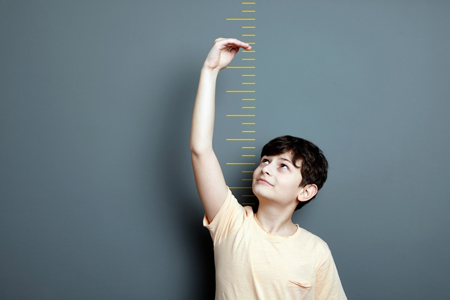
Short Stature
Short stature, often referred to as being shorter than average height for one's age and gender, can result from various factors. Genetics play a significant role, as individuals inherit their height tendencies from their parents. Endocrine disorders, such as growth hormone deficiency or thyroid problems, can also contribute to shorter stature if they affect the body's growth processes. Additionally, nutritional deficiencies during critical growth periods, chronic illnesses, and certain genetic conditions (like Turner syndrome or achondroplasia) can impact height development.
Short stature can lead to physical and emotional challenges, including difficulty reaching items or activities designed for taller individuals, as well as potential social stigma or self-esteem issues. However, it's important to note that short stature itself is not necessarily a medical problem requiring treatment unless it is linked to an underlying health issue.
For Childrens:-
For children, monitoring growth patterns and addressing any underlying causes early can be crucial for managing their development and overall well-being.
Some children may experience a temporary delay in growth, often referred to as constitutional growth delay. These children tend to catch up to their peers in height during adolescence.
Endocrine Disorders:-Hormonal imbalances, such as growth hormone deficiency (GHD) or thyroid disorders, can affect a child's growth. These conditions can often be diagnosed through medical evaluation and treated with hormone replacement therapy if necessary.
Genetic Syndromes:-Conditions like Turner syndrome, Noonan syndrome, or achondroplasia (a form of dwarfism) are genetic disorders that can lead to short stature due to specific genetic mutations affecting growth.
Symptoms:-
Symptoms of Short stature:-
- Symptoms of Short stature:-Depending on the cause, a child's body proportions may be affected. For instance, in conditions like achondroplasia (a form of dwarfism), there may be disproportionately short arms and legs compared to the torso.
- Complications of Short stature:- Individuals with short stature may experience social stigma, teasing, or discrimination, which can impact self-esteem and emotional well-being, especially during childhood and adolescence.
- Limitations in Activities of Short stature:-Short stature may present challenges in reaching objects or participating in activities designed for taller individuals. This can affect daily tasks, sports participation, and accessibility to certain environments.
- Underlying Health Conditions Short stature:-Short stature can sometimes be a sign of an underlying medical condition, such as growth hormone deficiency, Turner syndrome, or skeletal dysplasias (like achondroplasia). These conditions may require monitoring and treatment to manage associated health risks.
Copyright @2024 Dr Nitesh Kumar Buddhist. All Right Reserved.
Design & Developed by 